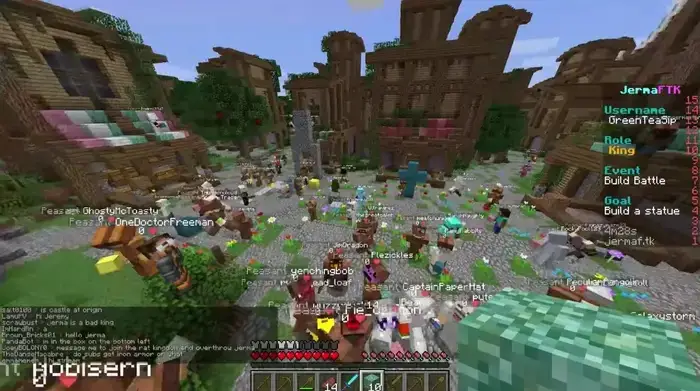
In an era where digital platforms continue to reshape the way we interact and learn about the world, one game stands out as a beacon of global connectivity and cultural exchange: Minecraft. This sandbox game has evolved far beyond its basic premise of building and survival, becoming a sprawling canvas for creativity, education, and, most importantly, a meeting ground for diverse communities. Today, we’re diving into how Minecraft servers communities serve as vibrant hubs for cultural and global understanding.
The Global Playground
Minecraft, with its blocky landscapes and open-ended possibilities, has attracted players from all walks of life and corners of the globe. By design, the game lacks a specific narrative, allowing players to create their own stories, worlds, and adventures. This open-endedness is one of the reasons Minecraft has become a melting pot of cultures. Servers operated by communities around the world become not just places to play but spaces where cultural exchange happens naturally and continuously.
Bridging Cultures through Blocks
Minecraft’s multiplayer mode enables players to join servers where they can engage in various activities, from collaborative building projects and competitive games to educational lessons and social events. These servers are microcosms of society, where people bring their cultural backgrounds, languages, and personal stories into the game.
For instance, a building project on a server might draw inspiration from the diverse architectural styles of its international players. One can walk through a medieval European castle, before crossing a bridge into a traditional Japanese village, all within the same Minecraft world. This juxtaposition of styles not only showcases the wide range of human creativity but also fosters an appreciation for different cultural heritages.
Language Learning and Communication
Communication is key in Minecraft’s multiplayer experience, and servers often see a blend of languages. English may be the lingua franca on many servers, but it’s not uncommon to see conversations happening in Spanish, French, Chinese, and dozens of other languages. For many players, participating in these global communities provides a unique environment for language learning and practice that is both organic and contextual.
Education and Global Issues
Educators have recognized Minecraft’s potential as a tool for teaching global competency. Servers dedicated to education can facilitate understanding of world geography, environmental issues, and international issues through game-based learning. Players can collaborate on projects that tackle global challenges, such as sustainable city planning, or participate in simulations that explore world cultures and histories, making the game a powerful platform for developing a broadened worldview.
Nurturing Empathy and Global Citizenship
Perhaps the most profound impact of Minecraft server communities is their capacity to foster empathy and global citizenship. By interacting with individuals from various cultures, players begin to understand and empathize with experiences different from their own. This digital form of intercultural dialogue contributes to breaking down stereotypes and prejudices, promoting a more inclusive and understanding global community.
Conclusion
Minecraft server communities are more than just digital spaces for entertainment. They are vibrant, multicultural environments where players can learn, explore, and connect with others from around the world. Through collaborative projects, language exchange, and cultural sharing, these communities are shaping a generation of gamers who are more globally aware and culturally sensitive. In the blocky realms of Minecraft, players are crafting not only magnificent structures but also bridges between cultures, fostering a spirit of global understanding and empathy.