
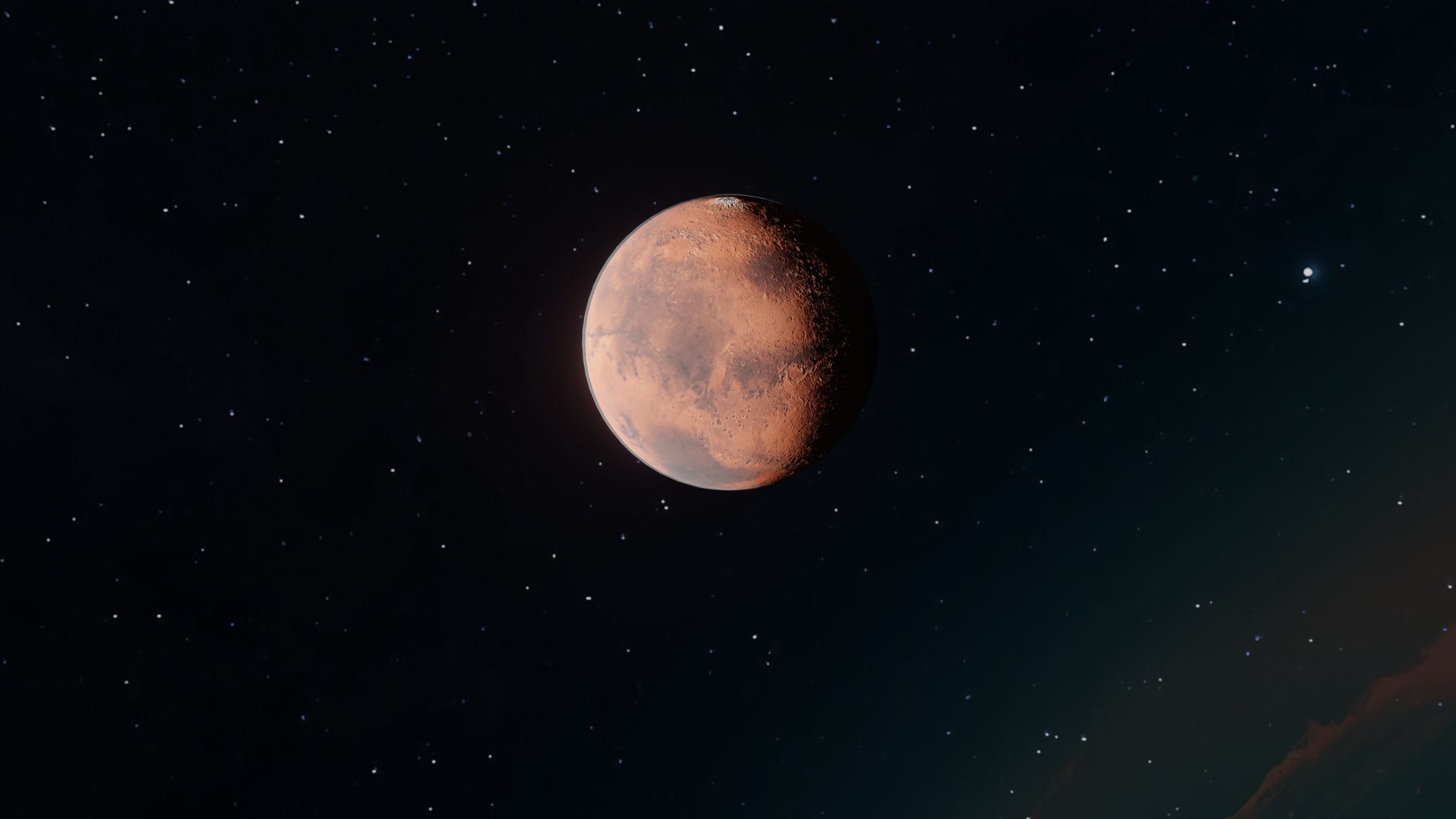
ESA-JAXA Ramses mission marks a significant milestone in space exploration. This collaborative effort aims to uncover the mysteries of asteroids and advance our understanding of the universe.
Overview of the ESA-JAXA Ramses mission
The ESA-JAXA Ramses mission marks a significant collaboration between the European Space Agency (ESA) and the Japan Aerospace Exploration Agency (JAXA) aimed at exploring asteroids. This innovative venture is designed to enhance our understanding of these celestial bodies and their potential impact on Earth. By studying asteroids, scientists hope to gather essential data about the formation of our solar system.
The Ramses mission will utilize advanced technology and instruments to achieve its objectives. Some of the key components of the mission include:
- State-of-the-art spacecraft: Equipped with cutting-edge sensors and imaging technology, the spacecraft will be able to capture detailed images and data from asteroids.
- Sample collection: The mission aims to collect samples from asteroid surfaces, allowing for in-depth analysis back on Earth.
- Collaboration between agencies: The partnership between ESA and JAXA ensures shared expertise and resources, maximizing the mission’s success potential.
This collaboration not only signifies a leap forward in space exploration but also emphasizes the importance of international cooperation in tackling complex scientific challenges. The ESA-JAXA Ramses mission is poised to uncover new insights into the universe, making it one of the most exciting ventures in recent years.
Key objectives of the Ramses mission
The ESA-JAXA Ramses mission is set to achieve several key objectives that will significantly advance our understanding of asteroids and their role in the solar system. These objectives include:
- Investigating Asteroid Composition: One of the primary goals is to analyze the mineral and chemical makeup of selected asteroids. This information will help scientists understand the building blocks of our solar system.
- Examining Surface Features: The mission aims to map the surface features of asteroids in unprecedented detail. Understanding these features can provide insights into the history and evolution of these celestial bodies.
- Studying Potential Threats: By investigating near-Earth asteroids, the Ramses mission will assess potential threats to our planet. Identifying the characteristics of these asteroids is crucial for planetary defense strategies.
- Testing New Technologies: The mission will also serve as a platform for testing advanced technologies in space exploration, enabling future missions to be more efficient and effective.
- Enhancing International Collaboration: The Ramses mission exemplifies international cooperation between ESA and JAXA, setting a precedent for future collaborative missions in space research.
These objectives underscore the importance of the ESA-JAXA Ramses mission in enhancing our scientific knowledge and ensuring the safety of our planet.
Impact on asteroid research
The ESA-JAXA Ramses mission is poised to revolutionize our understanding of asteroids and their significance in the solar system. As the mission progresses, researchers anticipate a wealth of data that will enhance asteroid research in several key areas.
One of the primary impacts of the Ramses mission is its ability to provide high-resolution imaging of asteroids, allowing scientists to study their surface compositions and structures in unprecedented detail. This detailed analysis can lead to insights regarding the formation of the solar system and the origins of life on Earth.
Additionally, the mission aims to collect valuable data on asteroid dynamics, including their orbits and trajectories. Understanding these factors is crucial for predicting potential asteroid impacts on Earth and developing strategies for planetary defense.
The Ramses mission will also facilitate comparative studies between different asteroids, contributing to our knowledge of asteroidal diversity. By examining various types of asteroids, researchers can discern the physical and chemical processes that have shaped these celestial bodies over billions of years.
In summary, the ESA-JAXA Ramses mission is set to significantly advance asteroid research, offering insights that could reshape our understanding of both asteroids and the broader solar system.
Technological advancements in space missions
The ESA-JAXA Ramses mission represents a significant leap in technological advancements within the realm of space exploration. This collaborative effort between the European Space Agency (ESA) and the Japan Aerospace Exploration Agency (JAXA) is designed to enhance our understanding of asteroids, utilizing cutting-edge technology to achieve its goals.
One of the most notable advancements is the use of advanced propulsion systems. These systems allow the Ramses spacecraft to navigate more efficiently through the solar system, reducing travel time to target asteroids. This efficiency will enable scientists to collect data more rapidly, thereby accelerating the pace of research and discovery.
Additionally, the Ramses mission incorporates state-of-the-art imaging and spectrometry instruments. These tools will facilitate detailed analysis of asteroid compositions, providing invaluable insights into the building blocks of our solar system. The capability to gather high-resolution images and spectra will help differentiate between various asteroid types and their potential resources.
Furthermore, the mission showcases improved communication technologies, ensuring that data collected from distant asteroids is transmitted back to Earth with greater reliability and speed. This enhancement is crucial for real-time monitoring and analysis, which can lead to timely scientific breakthroughs. Overall, the technological advancements in the ESA-JAXA Ramses mission position it as a landmark venture in space exploration.
Future of international space collaborations
The future of international space collaborations looks promising, especially with initiatives like the ESA-JAXA Ramses mission paving the way for enhanced cooperation. As global challenges in space exploration grow, countries are increasingly recognizing the need for partnerships that leverage strengths across borders.
One of the most significant aspects of the Ramses mission is its ability to foster collaboration between European and Japanese space agencies. This project exemplifies how shared goals can lead to groundbreaking discoveries and advancements in technology. By combining resources, expertise, and innovative approaches, the ESA and JAXA are setting a precedent for future missions.
Moreover, the Ramses mission serves as a model for other countries looking to participate in international space endeavors. The benefits of such collaborations include:
- Resource Sharing: Access to a broader range of funding and technological capabilities.
- Knowledge Exchange: Opportunities for scientists and engineers to learn from each other’s experiences and methodologies.
- Enhanced Research Opportunities: Joint missions can lead to more comprehensive data collection and analysis.
As the ESA-JAXA Ramses mission continues to unfold, it is likely to inspire further partnerships, ensuring that the future of space exploration is a collaborative effort that transcends national borders.
Photo by Zelch Csaba on Pexels
