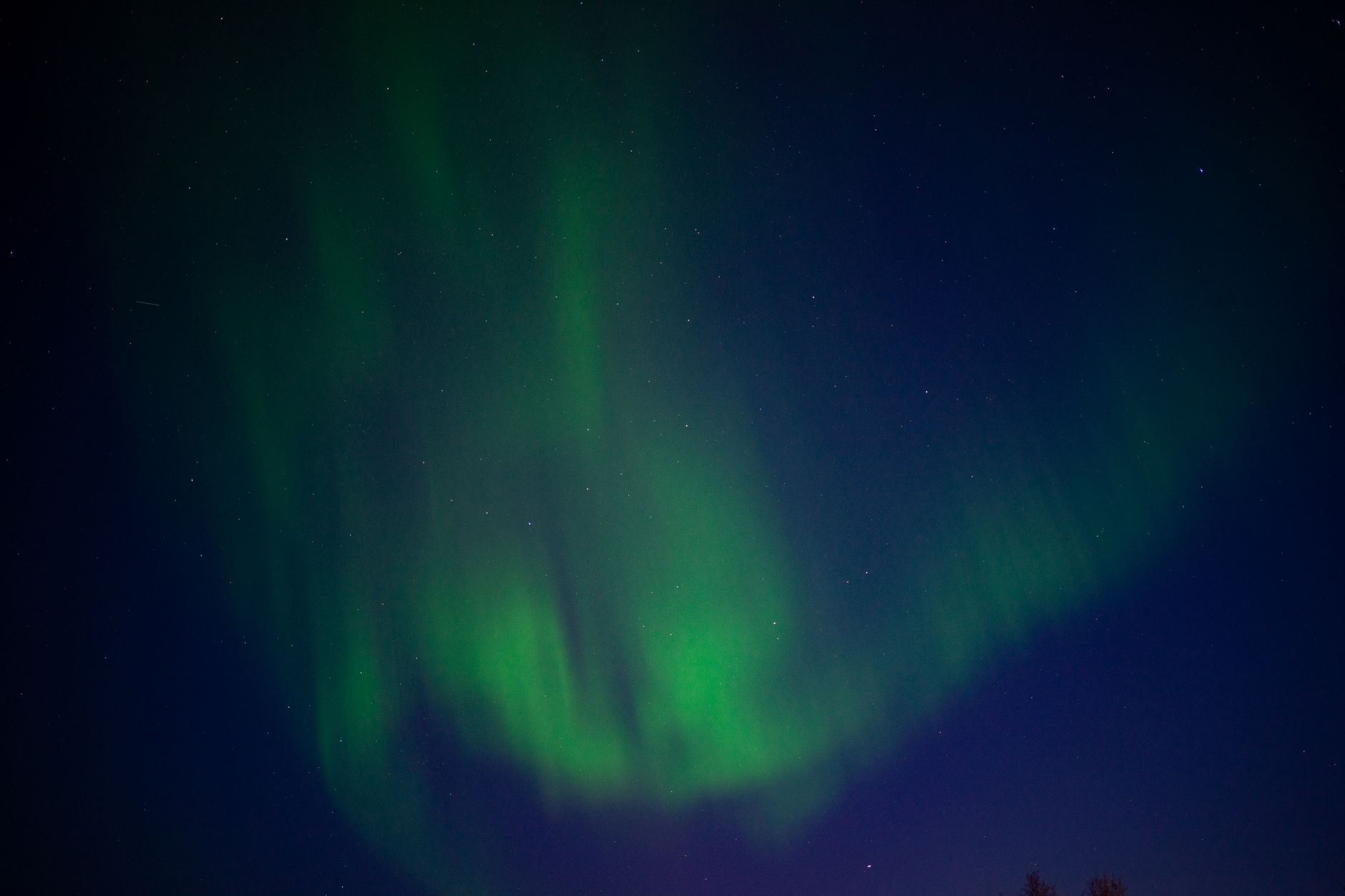
Northern Lights alert: This weekend, 28 states may witness the breathtaking aurora as three coronal mass ejections approach Earth.
What Causes the Northern Lights?
The stunning phenomenon of the Northern Lights, also known as the aurora borealis, is caused by the interaction between solar wind and the Earth’s magnetic field. This captivating display occurs when charged particles emitted by the sun collide with gases in the Earth’s atmosphere.
Specifically, the process involves:
- Solar Flares: Explosive bursts on the sun’s surface release energy and particles.
- Coronal Mass Ejections (CMEs): Large expulsions of plasma and magnetic fields from the sun can propel particles towards Earth.
- Atmospheric Interaction: When these charged particles hit oxygen and nitrogen in the atmosphere, they produce light, creating the breathtaking auroras.
This weekend, a Northern Lights alert has been issued for 28 states, suggesting a prime opportunity to witness this celestial spectacle as three CMEs approach our planet.
How to Prepare for Aurora Viewing
As the Northern Lights alert brings excitement for many sky watchers, preparation is key for a successful viewing experience. Here are some tips to enhance your chances:
- Choose the right location: Seek areas with minimal light pollution, preferably away from urban settings.
- Check the weather: Clear skies are essential. Monitor local forecasts to find the best time.
- Stay warm: Dress in layers and bring blankets, as temperatures can drop significantly during nighttime.
- Be patient: The auroras can be unpredictable. Allow yourself ample time to wait for the lights to appear.
- Bring equipment: A camera with a tripod can help capture the magic, while binoculars can enhance your viewing experience.
With these preparations, you’ll be well-equipped to enjoy the beauty of the Northern Lights.
Best Locations to See the Northern Lights
When a Northern Lights alert is issued, there are several prime locations that offer the best chances to witness this stunning natural phenomenon. Here are some of the top spots:
- Fairbanks, Alaska: Renowned for its clear skies and minimal light pollution, Fairbanks is a favorite among aurora hunters.
- Yellowknife, Canada: Located in the Northwest Territories, Yellowknife boasts some of the longest aurora viewing seasons.
- Reykjavik, Iceland: This city provides easy access to dark areas, enhancing the visibility of the Northern Lights.
- Abisko, Sweden: Home to the famous Abisko National Park, it’s recognized for its unique microclimate that often provides clear skies.
Make sure to check the local forecasts and alerts to maximize your chances of experiencing the magic of the aurora borealis.
When is the Best Time to View the Aurora?
The best time to view the Northern Lights is typically during the winter months, from late September to early April. During this period, the nights are longer and darker, providing optimal conditions for spotting the auroras. However, specific factors can influence visibility.
Key times to consider include:
- Solar Activity: High solar activity increases the chances of a vibrant display, often measured by the KP index.
- Weather Conditions: Clear skies are essential; check local forecasts before planning your outing.
- Location: Areas far from light pollution offer the best chances for a spectacular view.
With a Northern Lights alert in effect, many regions may experience auroras, making this weekend an excellent opportunity for enthusiasts to witness this breathtaking phenomenon.
Understanding Coronal Mass Ejections
Coronal Mass Ejections (CMEs) play a crucial role in creating the stunning display of the Northern Lights. These massive bursts of solar wind and magnetic fields rising above the solar corona or being released into space can interact with the Earth’s magnetic field, leading to spectacular auroras.
When a CME reaches Earth, it can trigger a geomagnetic storm, increasing the likelihood of seeing the Northern Lights. The intensity of these storms is measured on the KP index, which ranges from 0 to 9. A higher KP index indicates a greater chance of auroras visible in lower latitudes.
As CMEs approach, it is essential to stay informed and watch for Northern Lights alerts, as even areas not typically known for auroras may get a chance to witness this breathtaking phenomenon. Understanding CMEs can enhance your aurora viewing experience.
Safety Tips for Aurora Viewing
When heading out to view the Northern Lights, safety should be a top priority. Here are some essential tips for a safe and enjoyable experience:
- Dress Appropriately: Wear layers to keep warm, as temperatures can drop significantly at night.
- Choose a Safe Location: Ensure you are in a well-lit area away from potential hazards, such as cliffs or bodies of water.
- Stay Informed: Monitor the Northern Lights alert for real-time updates on aurora activity and weather conditions.
- Travel in Groups: There’s safety in numbers. Bring friends or family along for a more enjoyable experience.
- Keep Emergency Supplies: Carry a flashlight, extra food, and a first aid kit in case of unexpected situations.
By following these tips, you can enhance your aurora viewing experience while ensuring your safety.
The Science Behind the Aurora Borealis
The stunning display of the Aurora Borealis, commonly known as the Northern Lights, is a captivating natural phenomenon influenced by solar activity. As charged particles from the sun collide with Earth’s magnetic field, they create vibrant colors that dance across the night sky. This process is particularly pronounced during events like coronal mass ejections (CMEs), which can enhance visibility and intensity of the lights.
When a Northern Lights alert is issued, it indicates that conditions are optimal for viewing these spectacular lights. The interplay between the solar wind and Earth’s atmosphere generates stunning visuals, ranging from greens to purples and reds. Understanding the science behind this phenomenon can enhance the experience for viewers, allowing them to appreciate the cosmic forces at play.
For those eager to witness this breathtaking spectacle, timing and location are crucial elements to consider.
What to Expect During the Event
During a Northern Lights alert, observers can expect to witness a breathtaking display of colors dancing across the night sky. The auroras typically appear as vibrant greens, purples, and reds, with their intensity varying depending on solar activity.
As the event unfolds, it is common to see the lights shifting and swirling, creating a mesmerizing spectacle. Here are some key features to look out for:
- Color Variations: Different colors can indicate varying altitudes and types of particles interacting with the atmosphere.
- Duration: The display can last from a few minutes to several hours, so patience is essential.
- Movement: The lights may flicker, ripple, or even form arcs and rays.
Being in a dark location away from city lights will enhance the experience, allowing for the full beauty of the Northern Lights to shine through.
To maximize your chances of witnessing this stunning phenomenon, it’s essential to stay updated with a reliable Northern Lights alert. Many apps and websites provide real-time notifications, ensuring you won’t miss the next Northern Lights alert.
Photo by Oliver Schröder on Pexels