free Adobe clones are gaining popularity among users looking for cost-effective design tools. With the recent release of seven new applications, developers are providing viable alternatives to Adobe’s suite.
What Are Adobe Clones?
Adobe clones refer to software applications that aim to replicate the functionality and features of Adobe products. These alternatives are often developed by independent creators who want to provide users with similar tools without the hefty price tag associated with Adobe’s offerings.
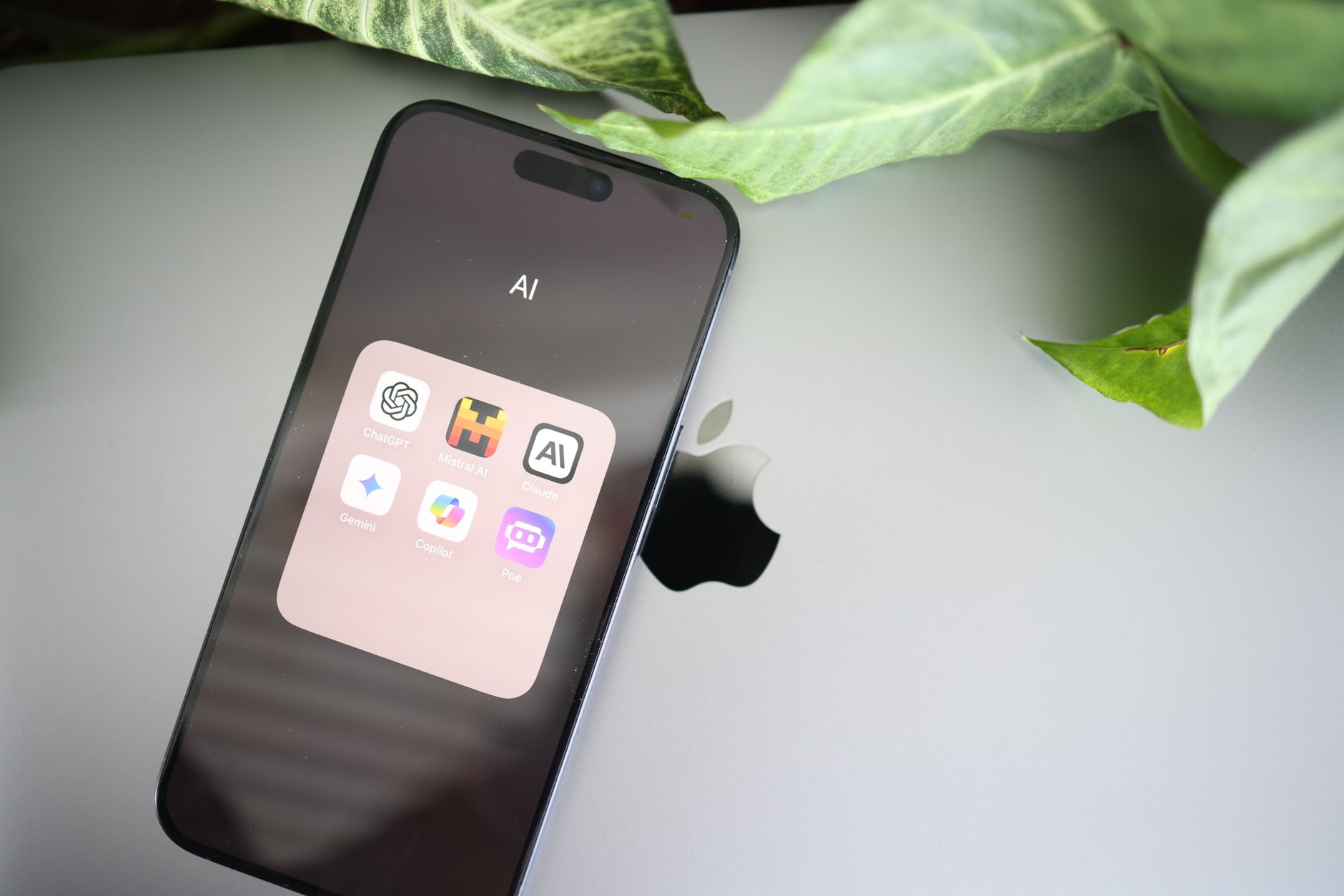
Recently, a developer released seven free Adobe clones built with Claude Opus 5.5, showcasing the growing trend of free software solutions that challenge established giants in the industry.
Users can find these clones catering to various Adobe applications, such as:
- Graphic Design: Alternatives to Adobe Illustrator
- Photo Editing: Options similar to Adobe Photoshop
- Video Editing: Programs like Adobe Premiere Pro
With these free Adobe clones, many users are discovering viable options that meet their creative needs without breaking the bank.
Top Features of Free Adobe Clones
Free Adobe clones have gained popularity among users who seek powerful tools without the hefty price tag. These alternatives offer a range of features that can satisfy both casual users and professionals alike. Here are some of the top features to consider:
- User-Friendly Interface: Most free Adobe clones provide an intuitive layout that mimics familiar Adobe programs, making the transition smoother for new users.
- Robust Editing Tools: These clones often come equipped with a variety of editing options, from basic adjustments to advanced manipulation techniques.
- Cross-Platform Compatibility: Many free Adobe clones are designed to work on multiple operating systems, ensuring accessibility for all users.
- Regular Updates: Developers frequently release updates to enhance functionality and introduce new features, keeping the software competitive.
With so many advantages, it’s easy to see why many are turning to free Adobe clones as viable options.
How to Choose the Right Clone
Choosing the right free Adobe clones can be a daunting task, especially with so many options available. Here are some key factors to consider:
- User Interface: Look for clones that offer an intuitive interface similar to Adobe products, making the transition smoother.
- Features: Ensure the clone includes the specific features you need for your projects, such as advanced editing tools or versatile templates.
- Compatibility: Check if the clone supports the file formats you typically use and is compatible with your operating system.
- Community Support: A strong user community can provide valuable resources, tutorials, and troubleshooting assistance.
- Regular Updates: Opt for software that receives regular updates to fix bugs and introduce new features.
By evaluating these aspects, you can find the best free Adobe clones that suit your creative needs.
Pros and Cons of Using Free Software
When considering the use of free Adobe clones, it’s essential to weigh the pros and cons. On the positive side, these alternatives often offer similar functionalities to their Adobe counterparts without the hefty price tag, making them accessible to a wider audience.
- Cost-effective: Users can save money while still accessing powerful tools.
- User-friendly: Many free Adobe clones are designed with intuitive interfaces.
- Community Support: Open-source options often have vibrant communities for troubleshooting and tips.
However, there are drawbacks to consider. Free software may lack advanced features, leading to a steep learning curve when transitioning from Adobe products. Additionally, compatibility issues can arise when sharing files with Adobe users. Ultimately, evaluating your specific needs will determine if free Adobe clones are the best alternative for you.
User Reviews of Claude Opus 5.5
User reviews of Claude Opus 5.5 have been largely positive, with many users praising its user-friendly interface and powerful features. Several graphic designers have switched to using this software as a viable alternative to costly Adobe products.
Many users highlight the following aspects:
- Affordability: As a free Adobe clone, it eliminates the financial burden associated with traditional software.
- Functionality: It offers a range of tools that closely mimic those found in Adobe applications.
- Community Support: A growing online community provides tutorials and assistance for new users.
However, some reviews mention occasional bugs and limited advanced features as areas for improvement. Overall, Claude Opus 5.5 appears to be a strong contender in the realm of free Adobe clones.
Getting Started with Free Adobe Clones
Getting started with free Adobe clones can be an exciting journey for both beginners and seasoned users. These alternatives provide a wide array of features similar to Adobe’s flagship products without the associated costs. To begin, you should first identify your specific needs such as graphic design, photo editing, or video production.
Once you know what you require, it’s beneficial to explore the various options available. Consider downloading multiple free Adobe clones to see which one fits your workflow best. Many of these programs come with user-friendly interfaces, making the transition smoother for those accustomed to Adobe products.
Additionally, take advantage of online tutorials and community forums to enhance your experience. Engaging with other users can help you discover tips and tricks, making the most of your chosen software.
Ultimately, free Adobe clones can be a viable solution for those looking to save on software expenses.
Comparing Free Alternatives to Adobe
When considering free alternatives to Adobe, it’s essential to evaluate several factors that influence usability and functionality. Many free Adobe clones offer similar features, but their performance can vary significantly. Below are key aspects to compare:
- Interface: A user-friendly interface can enhance your experience, making it easier to adapt.
- Compatibility: Ensure that the clone supports the file formats you commonly use.
- Support and Updates: Active development and community support can be crucial for troubleshooting and accessing new features.
- Performance: Test the software to see how it handles large files or complex tasks.
- Integration: Check if the clone integrates well with other tools you rely on.
Ultimately, selecting the right free Adobe clone depends on your specific needs and preferences.
Future of Graphic Design Software
The graphic design software landscape is rapidly evolving, with free Adobe clones emerging as a significant player. As more developers recognize the demand for accessible design tools, we can expect an increase in both the quality and quantity of these alternatives. The future of graphic design software may very well hinge on the capabilities of these free options, as they continue to close the gap with their paid counterparts.
Artists and designers are increasingly leaning towards free Adobe clones, which offer powerful features without the financial burden. This shift reflects a broader trend towards democratizing design, allowing individuals and small businesses to create professional-quality work without the costly subscription fees associated with traditional software.
As innovation continues, users can anticipate more robust, user-friendly interfaces that cater to both novice and experienced designers alike.
Photo by Solen Feyissa on Pexels