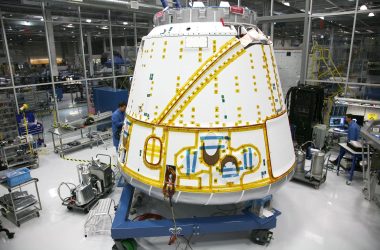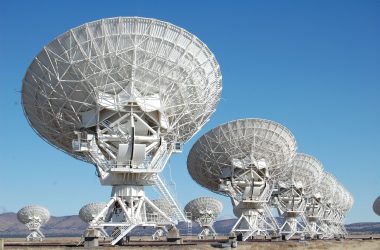
Koreas space era signifies a transformative moment in satellite technology and cooperation. This new chapter opens doors for advancements in space exploration and communication.
Overview of the New Satellite Fleet
The recent launch of a homegrown satellite fleet marks the beginning of a significant transformation in the Koreas space era. This advancement is not only a testament to the technological capabilities of both North and South Korea but also a crucial step towards enhancing their respective national interests.
South Korea’s latest satellites are equipped with cutting-edge features aimed at improving communication, weather forecasting, and environmental monitoring. These innovations include:
- High-resolution imaging: Capable of capturing detailed images of the Earth’s surface, aiding in urban planning and disaster management.
- Advanced communication technology: Facilitating faster and more reliable data transmission across various sectors.
- Remote sensing capabilities: Enhancing agricultural management and natural resource monitoring.
Meanwhile, North Korea continues to develop its own satellite technology, focusing on military applications and surveillance. Both nations are racing to establish a dominant presence in space, which could reshape geopolitical dynamics in the region.
As the Koreas space era unfolds, the implications of these advancements will resonate far beyond national borders, influencing global space exploration and technology collaboration.
Impact on Regional Security
The emergence of the Koreas space era marks a significant shift in regional dynamics, particularly concerning security. As both North and South Korea enhance their satellite capabilities, the implications extend beyond mere technological advancements.
One of the primary impacts is the potential for improved surveillance. The new satellites will enable both nations to monitor military activities more effectively, which could lead to increased tensions. The ability to gather real-time intelligence may also prompt a reevaluation of defense strategies in the region.
Additionally, this technological race raises concerns about an arms buildup. As both Koreas develop their space programs, the likelihood of aggressive posturing increases, potentially destabilizing the already fragile peace on the peninsula.
Moreover, the advancements in space technology may draw the attention of global powers, leading to a more complex security environment. The international community will need to navigate these developments carefully to prevent escalation.
In conclusion, the new satellite fleet not only represents a leap forward for both Koreas but also brings significant implications for regional security, challenging existing frameworks and prompting new dialogues.
Technological Innovations in Space
The Koreas space era is marked by several significant technological innovations that have transformed the capabilities of both North and South Korea in space exploration and satellite technology.
One of the most notable advancements is the development of indigenous satellite technology. Both nations have invested heavily in designing and manufacturing satellites that cater to their specific needs, ranging from communication to earth observation.
Additionally, the launch vehicles developed by South Korea have demonstrated a remarkable ability to place satellites into orbit with precision. This has paved the way for a more robust and reliable satellite fleet.
Another key innovation is the use of data analytics and artificial intelligence in processing information gathered from satellites. This technology allows for real-time monitoring of natural resources, environmental changes, and even military activities.
Furthermore, advancements in miniaturization have led to the creation of smaller, more efficient satellites that can operate in various orbits, enhancing the overall capabilities of the Koreas space era. These innovations not only improve scientific research but also bolster the nations’ geopolitical standing in an increasingly competitive global arena.
International Reactions to Koreas Space Era
As the Koreas embark on a new space era, international reactions have been varied, reflecting both optimism and concern. Many countries have acknowledged the advancements made by Korea in satellite technology, viewing it as a significant step in scientific innovation.
In the United States, officials have expressed interest in collaborating with Korea on space exploration, highlighting the potential for joint projects that could benefit both nations. This partnership is seen as a way to enhance security and share technological expertise.
Conversely, some nations have raised alarms regarding the implications of Korea’s new satellite fleet on regional security. Concerns about military applications of space technology have prompted discussions among neighboring countries about the need for heightened vigilance.
Additionally, international organizations have commended Korea’s commitment to peaceful uses of space, emphasizing the importance of responsible behavior in the rapidly evolving landscape of space innovation.
As the Koreas space era unfolds, the global community watches closely, recognizing that the advancements made will have lasting impacts on both regional dynamics and international relations.
In summary, reactions to Korea’s newfound capabilities highlight a mix of enthusiasm for innovation and caution regarding security implications.
Future Prospects for Space Exploration
The advent of a new satellite fleet marks the beginning of a transformative period in the Koreas space era, with promising prospects for future exploration. As both North and South Korea enhance their capabilities, several key areas are emerging for potential advancements.
- Collaborative Research: Increased cooperation between the two Koreas could lead to joint missions that leverage their respective strengths in technology and resources.
- Commercial Opportunities: The expansion of space technology may foster a vibrant space economy, attracting investment in satellite manufacturing, launch services, and data analytics.
- Scientific Discoveries: Innovations in satellite technology will enable more extensive research on climate change, natural disasters, and even potential asteroid mining.
- International Partnerships: Engaging with global space agencies could enhance Korea’s standing in the international arena, opening doors for collaborative projects and shared knowledge.
As the Koreas space era unfolds, the commitment to advancing space exploration will not only elevate technological capabilities but also foster peace and stability in the region. The next decade will be pivotal in shaping how both countries navigate their roles in the global space community.
Challenges Ahead for Satellite Deployment
As the Koreas embark on their new space era, several challenges loom over the successful deployment of their satellite fleet. While technological innovations have propelled advancements, the path forward is fraught with obstacles that need addressing.
Among the primary challenges are:
- Regulatory Hurdles: Navigating the complex web of international space regulations is critical. Compliance with treaties and norms is essential to ensure safe and responsible satellite operations.
- Technical Limitations: Despite significant progress, there remain limitations in satellite technology that could hinder deployment. Issues such as satellite durability and the ability to withstand harsh space environments must be resolved.
- Financial Constraints: Funding continues to be a vital aspect of sustaining the new initiatives. Budget restrictions may limit the scope of projects and delay timelines.
- Geopolitical Tensions: The ongoing tensions between the Koreas could impact collaboration efforts and access to essential resources for satellite development.
Addressing these challenges is crucial for realizing the full potential of the Koreas’ space era and ensuring that the benefits of their satellite fleet are fully realized.
Koreas space era has ushered in remarkable advancements in satellite technology, enhancing communication and weather forecasting. As we explore the innovations that define Koreas space era, we see a commitment to pushing the boundaries of scientific discovery.
By InSapphoWeTrust via Openverse