Satellite manufacturing facility is making significant strides in Luxembourg, with SES advancing its capabilities to boost the space sector.
Overview of SES’s New Facility
SES, a leading satellite operator, has recently inaugurated a state-of-the-art satellite manufacturing facility in Luxembourg. This facility marks a significant milestone in the company’s commitment to enhancing its capabilities in satellite technology and innovation.
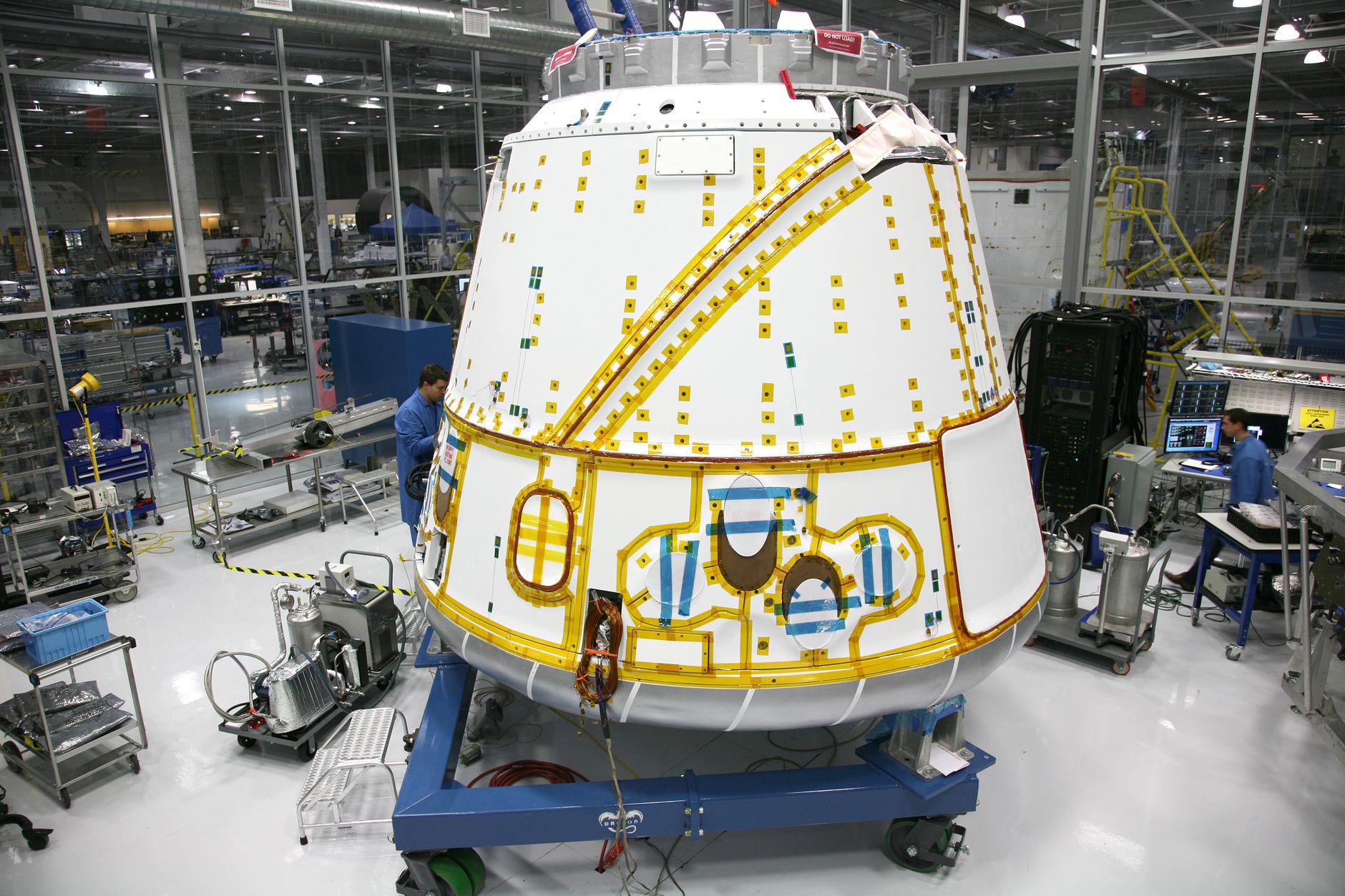
The new satellite manufacturing facility is designed to streamline the production process, allowing SES to develop and deploy advanced satellites more efficiently. It incorporates cutting-edge technology that supports various phases of satellite assembly, integration, and testing.
Key features of the facility include:
- Advanced Assembly Lines: Equipped with the latest automated systems, these lines improve precision in satellite construction.
- Flexible Testing Chambers: These chambers allow for comprehensive testing of satellites under different environmental conditions.
- Research and Development Labs: Dedicated spaces for innovation, enabling SES to explore new technologies and improve existing designs.
With the establishment of this satellite manufacturing facility, SES aims to reinforce its position in the global market and respond to the increasing demand for high-quality satellite services. This advancement not only benefits SES but also contributes to Luxembourg’s growing reputation as a hub for aerospace and satellite technology.
Impact on the Space Industry
The establishment of the satellite manufacturing facility in Luxembourg by SES is poised to significantly impact the space industry. With advancements in technology and production capabilities, this facility will enhance the efficiency and speed of satellite development.
One of the key benefits of this facility is its potential to reduce costs associated with satellite production. By streamlining the manufacturing process, SES can deliver satellites to market more quickly and at a lower price point. This is crucial in an industry where timely deployment can be the difference between success and failure.
Moreover, the facility is expected to create numerous job opportunities, attracting skilled professionals to the region and supporting local economies. The presence of a state-of-the-art satellite manufacturing facility will also foster innovation, encouraging collaboration between various stakeholders in the space sector.
As the demand for satellite services continues to grow, SES’s investment in this facility reflects a commitment to meeting future challenges head-on. The advancements made here could set a benchmark for other companies in the industry, driving further developments in satellite technology and manufacturing practices.
Satellite Manufacturing Facility Innovations
In recent years, the satellite manufacturing facility in Luxembourg has become a beacon of innovation within the space industry. This cutting-edge facility is not just a hub for satellite assembly but also a center for research and development, pushing the boundaries of technology.
Key innovations emerging from the satellite manufacturing facility include:
- Advanced Materials: The use of lightweight, durable materials enhances satellite performance and reduces launch costs.
- Modular Design: Implementing modular components allows for greater flexibility and faster production times.
- Automation and Robotics: Automated manufacturing processes improve precision and efficiency, minimizing human error.
- Sustainable Practices: The facility emphasizes eco-friendly manufacturing techniques, reducing the environmental impact of satellite production.
Furthermore, collaborations with local universities and research institutions have led to groundbreaking developments in satellite technology. These partnerships not only foster innovation but also encourage knowledge transfer, ensuring that Luxembourg remains at the forefront of the global space sector. As advancements continue to unfold, the satellite manufacturing facility is set to play a pivotal role in shaping the future of space exploration and communications.
Future Prospects for Aerospace in Luxembourg
The future of aerospace in Luxembourg looks promising, particularly with the advancements brought by SES’s new satellite manufacturing facility. This state-of-the-art facility positions Luxembourg as a key player in the evolving space industry, attracting attention and investment from global stakeholders.
Experts predict several significant developments in the coming years:
- Increased Collaboration: The facility is expected to foster partnerships between local startups and established aerospace companies, creating a vibrant ecosystem for innovation.
- Job Creation: As the satellite manufacturing facility ramps up production, job opportunities will expand, contributing to the local economy and workforce development.
- Technological Advancements: Ongoing research and development will likely lead to breakthroughs in satellite technology, enhancing Luxembourg’s reputation as a hub for space innovation.
- Global Competitiveness: By investing in cutting-edge manufacturing processes, Luxembourg will better position itself in the competitive global aerospace market.
Overall, the satellite manufacturing facility represents not just a milestone for SES but also a catalyst for growth and opportunity in the wider aerospace sector in Luxembourg.
Challenges in Satellite Production
The establishment of a satellite manufacturing facility in Luxembourg brings numerous opportunities, but it is not without its challenges. As the demand for advanced satellite technology grows, manufacturers must navigate a complex landscape of technical and logistical hurdles.
One significant challenge is material sourcing. High-performance materials are essential for building satellites that can withstand harsh space conditions. However, obtaining these materials can be difficult, leading to potential delays in production timelines.
Another hurdle is workforce development. The aerospace industry requires highly skilled engineers and technicians. As Luxembourg expands its satellite manufacturing facility, attracting and retaining talent in this specialized field remains a priority.
Furthermore, regulatory compliance poses a challenge for satellite manufacturers. Navigating international regulations and standards can slow down the manufacturing process, requiring firms to remain agile and proactive in addressing legal requirements.
Lastly, technological advancements come with their own set of challenges. While innovation drives progress, integrating new technologies into existing production lines can lead to unforeseen complications, impacting efficiency and costs.
Addressing these challenges is crucial for the success of the satellite manufacturing facility and the broader space industry in Luxembourg.
Photo by SpaceX on Pexels