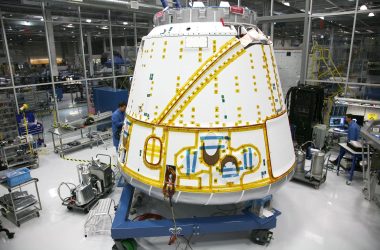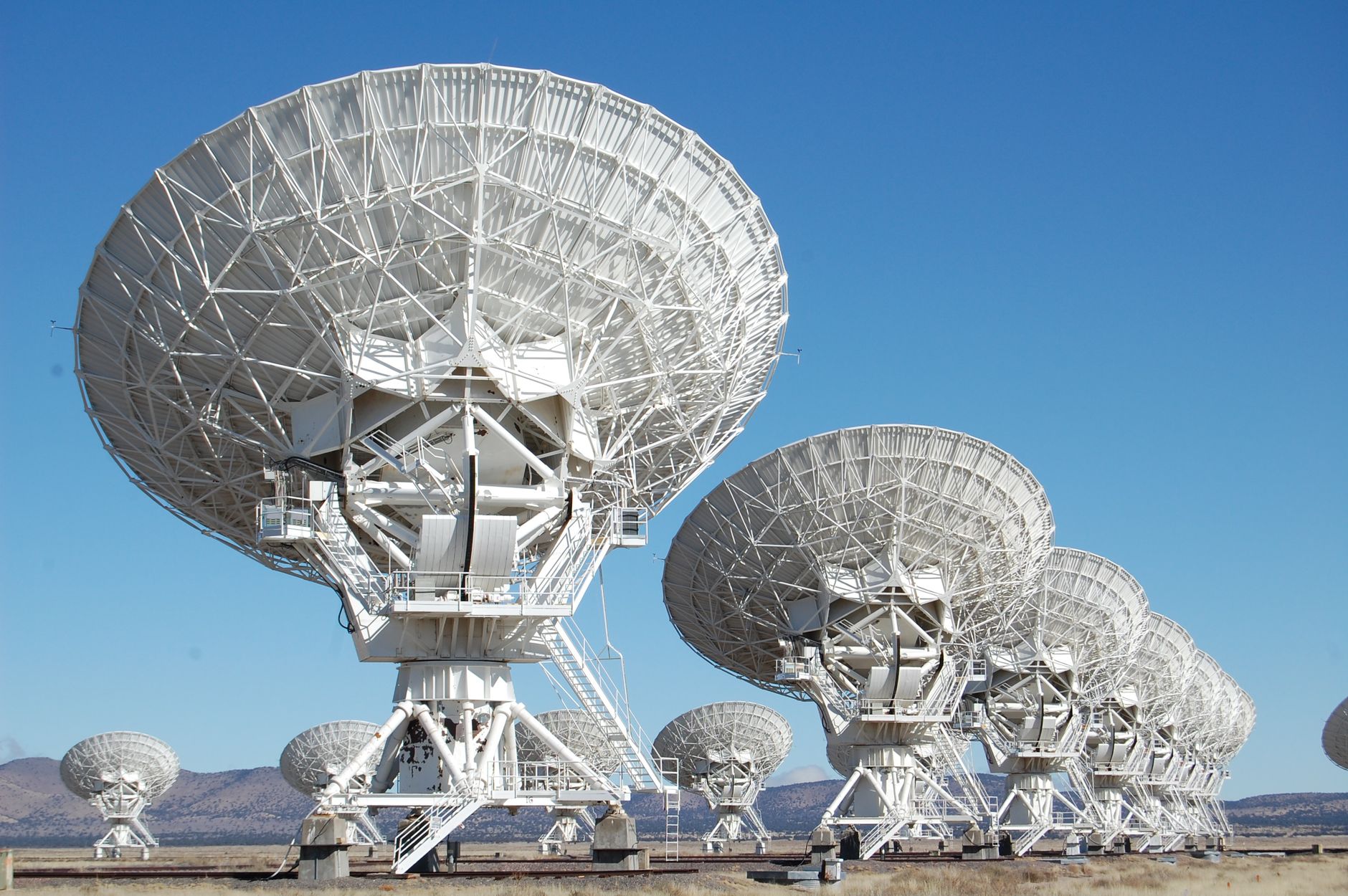
Roman Space Telescope has successfully powered up key instruments, showcasing advancements in space technology and exploration.
Overview of the Roman Space Telescope
The Roman Space Telescope, a groundbreaking mission by NASA, aims to provide unprecedented insights into the universe. This innovative telescope is designed to investigate the mysteries of dark energy and dark matter, offering a deeper understanding of the cosmos. Recently, the telescope successfully powered up its key instruments, marking a significant milestone in its development.
With a wide field of view, the Roman Space Telescope will capture detailed images of galaxies, stars, and other celestial objects. This capability allows astronomers to conduct large-scale surveys, which are essential for studying the structure and evolution of the universe. It will also enable the exploration of exoplanets using the gravitational microlensing technique.
Key features of the Roman Space Telescope include:
- Wide Field Camera: A powerful instrument that captures a vast expanse of the sky with high resolution.
- Coronagraph: Designed to study the atmospheres of exoplanets, providing valuable data for future research.
- Advanced Data Analysis: Equipped with state-of-the-art algorithms to process and analyze the massive amount of data it will collect.
As the Roman Space Telescope prepares for its launch, the scientific community eagerly anticipates the discoveries it will bring to light.
Key Instruments Powered Up
The recent activation of key instruments aboard the Roman Space Telescope marks a significant milestone in its mission to explore the universe. This groundbreaking telescope is equipped with advanced technology designed to enhance our understanding of cosmic phenomena.
Among the instruments that have successfully powered up are:
- Wide Field Camera: This innovative camera will capture detailed images of distant galaxies and celestial bodies, enabling astronomers to study their formation and evolution.
- Gravitational Microlensing Experiment: This experiment aims to detect exoplanets by observing the bending of light from distant stars, providing insights into planetary systems beyond our own.
- Coronagraph Instrument: Designed to study exoplanets directly, this instrument will block out starlight, allowing scientists to examine the atmospheres and compositions of planets orbiting other stars.
The Roman Space Telescope is set to revolutionize our understanding of dark energy and the expansion of the universe. By utilizing these powerful instruments, scientists hope to gather unprecedented data that will shed light on some of the most profound questions in astrophysics. As the mission progresses, the excitement surrounding the capabilities of the Roman Space Telescope continues to grow.
Significance of the Power-Up
The successful power-up of key instruments on the Roman Space Telescope marks a significant milestone in advancing our understanding of the universe. This momentous occasion not only showcases the technological prowess behind the mission but also sets the stage for groundbreaking discoveries in astrophysics.
The Roman Space Telescope is designed to explore some of the most pressing questions in modern astronomy, including the nature of dark energy and dark matter. By utilizing its powerful instruments, scientists aim to gather unprecedented data that could reshape our perception of the cosmos.
Some of the most notable aspects of this power-up include:
- Enhanced Imaging Capabilities: The telescope’s advanced optics will allow it to capture images with exceptional clarity, revealing faint objects previously hidden from view.
- Wide Field of View: With a field of view 100 times larger than that of the Hubble Space Telescope, the Roman Space Telescope can survey vast regions of the sky in a single observation.
- Multi-wavelength Observations: The ability to observe across various wavelengths will enable researchers to study a diverse range of astronomical phenomena.
As the Roman Space Telescope continues its journey, the implications of its findings promise to deepen our understanding of the universe and its fundamental components.
Future Missions and Goals
The Roman Space Telescope is set to play a crucial role in upcoming astronomical missions aimed at expanding our understanding of the universe. With its advanced capabilities, the telescope will enable scientists to conduct a wide range of observations and gather invaluable data.
One of the primary goals of the Roman Space Telescope is to explore the mysteries of dark energy and dark matter. These components are believed to make up a significant portion of the universe, yet their true nature remains elusive. By utilizing its powerful instruments, the telescope will help astronomers map the distribution of galaxies across vast distances and improve our comprehension of cosmic expansion.
Additionally, the Roman Space Telescope will focus on:
- Exoplanet Discovery: The telescope’s ability to monitor large sections of the sky will enhance our search for planets orbiting distant stars.
- Galaxy Formation and Evolution: By observing galaxies at different stages of their formation, researchers can better understand how these celestial bodies develop over time.
- Time-Domain Astronomy: The telescope will capture transient astronomical events, such as supernovae, providing insights into their nature and frequency.
These future missions highlight the significance of the Roman Space Telescope in advancing our knowledge of the cosmos.
Technological Innovations in Astronomy
The recent power-up of the Roman Space Telescope marks a significant milestone in the field of astronomy, showcasing several technological innovations designed to enhance our understanding of the universe.
Among the most notable advancements are:
- Wide Field Instrument (WFI): This cutting-edge camera is equipped with advanced sensors that capture a broader range of wavelengths, enabling astronomers to observe distant galaxies and celestial phenomena with unprecedented clarity.
- Grism Spectroscopy: The ability to analyze the spectrum of light from astronomical objects allows scientists to study the composition and behavior of stars, planets, and other cosmic entities.
- Adaptive Optics: Incorporating adaptive optics technology helps to correct distortions caused by Earth’s atmosphere, providing sharper images and more accurate data.
These innovations not only enhance the capabilities of the Roman Space Telescope but also set the stage for future discoveries. By utilizing these best proven instruments, researchers aim to tackle some of the most pressing questions in astronomy, such as the nature of dark energy and the existence of potentially habitable exoplanets. The Roman Space Telescope is poised to revolutionize our approach to exploring the cosmos.
Challenges Faced During Development
The development of the Roman Space Telescope has not been without its challenges, reflecting the complexities of modern astronomical technology. Engineers and scientists encountered multiple hurdles throughout the design and testing phases, which required innovative problem-solving and collaboration.
- Technical Setbacks: Early prototypes of the telescope faced issues with component integration, leading to delays in the assembly process. These challenges necessitated extensive revisions to ensure that all systems could work seamlessly together.
- Budget Constraints: Funding fluctuations posed a significant challenge, making it difficult to allocate resources effectively across various stages of development. This required teams to prioritize essential components while seeking alternative funding sources.
- Timeline Adjustments: Originally projected timelines for the Roman Space Telescope’s completion were pushed back due to unforeseen complications. Adapting to these changes while maintaining high standards of quality became crucial for the project’s success.
- Testing and Calibration: The rigorous testing phase revealed the need for recalibrations of key instruments, ensuring their precision and effectiveness in gathering astronomical data.
Despite these obstacles, the successful power-up of the telescope’s key instruments marks a significant milestone, paving the way for groundbreaking discoveries in the field of astronomy.
Expert Opinions on the Telescope
Experts in the field of astronomy have expressed their enthusiasm regarding the recent power-up of the Roman Space Telescope’s key instruments. Dr. Emily Vasquez, an astrophysicist at the Space Institute, noted that this milestone is crucial for the mission’s success. She stated, “The Roman Space Telescope is set to redefine our understanding of the universe, and the successful powering of these instruments is a significant step forward.”
Another prominent figure, Professor Mark Liu, who specializes in space technology, emphasized the importance of the telescope’s capabilities. “With its wide field of view and groundbreaking infrared technology, the Roman Space Telescope will allow us to capture unprecedented data about distant galaxies and cosmic phenomena,” he remarked.
Additionally, Dr. Sarah Patel, a researcher at the Galactic Observations Lab, pointed out the collaborative nature of this project. “The development of the Roman Space Telescope showcases the power of international partnerships in advancing our capabilities in space exploration,” she explained.
As more experts weigh in, it becomes clear that the Roman Space Telescope is not just another instrument but a transformative tool that could unlock many mysteries of our cosmos.
What Comes Next for Space Exploration
As the Roman Space Telescope prepares for its pivotal role in advancing our understanding of the universe, the next steps in space exploration become more exciting and critical. With its key instruments successfully powered up, scientists anticipate groundbreaking discoveries that could reshape our knowledge of cosmic phenomena.
The Roman Space Telescope is designed to conduct large-scale surveys, which will provide invaluable data on dark energy, exoplanets, and the distribution of galaxies. This mission aims to answer fundamental questions about the origin and fate of the universe.
Upcoming milestones include:
- Calibration Phase: The telescope will undergo extensive testing to ensure all instruments function optimally.
- Data Collection Initiatives: Once operational, the telescope will begin its first surveys, collecting data that will be shared with the global scientific community.
- Collaborative Research: Partnerships with various astronomical institutions will facilitate joint research projects, leveraging the telescope’s capabilities.
Furthermore, the Roman Space Telescope’s findings are expected to complement ongoing missions, such as those from the Hubble Space Telescope and upcoming James Webb Space Telescope observations. This collaborative approach will enrich our quest for knowledge in the vast expanse of space.
Photo by braincontour on Pexels